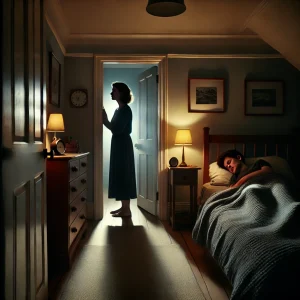
 There are days when I wake up, and my first thought is, “Is today the day I lose him?” My son, now in his twenties, has been battling opiate addiction for years. Every morning, I brace myself before looking at my phone, dreading the possibility of a missed call or a message from the hospital, or worse—from the coroner.
He wasn’t always like this. I remember when he was a little boy, full of life and laughter, with an insatiable curiosity about the world. He was my sunshine, my pride, and joy. But somewhere along the way, something changed. At first, it was subtle—a shift in his demeanor, the friends he chose, the secrecy. Then came the discovery of pills, and soon after, heroin. What followed has been a nightmare I can’t wake up from, one filled with stints in treatment centers, broken promises, overdoses, and the ever-present fear that today could be the day he doesn’t make it.
I’ve lost count of the number of times he’s been in treatment—rehab centers promising to save him, to bring him back to me. Most of them have been 12-step programs. I’ve attended meetings, listened to speakers, and read the literature, desperate to understand, to believe in the possibility of recovery. But for him, none of it has worked. Not for lack of trying, but something just isn’t clicking. The longest he’s been sober is a few months, and then he’s right back where he started—or worse.
The overdoses—God, the overdoses. The first time, I was shocked into a numb, dizzy panic, trying to process how close I had come to losing him. I remember sitting in the ER, my hands shaking, my heart breaking as I watched them work on him. But by the third or fourth time, a strange numbness took over. It’s not that I don’t care—it’s that I’ve been plunged into this chaotic rollercoaster for so long that my body and mind don’t know how to react anymore. It’s fear, anger, sadness, and exhaustion all rolled into one, a horrible cocktail of emotions that I’m forced to drink every single day.
I read articles almost obsessively now—trying to understand addiction, trying to find any thread of hope. Recently, I’ve been reading more and more about psychedelics and how they’re helping people overcome addiction. There are stories of people with the same struggles as my son—addicted to opiates, in and out of rehab, hopeless. And then, after a few sessions with something like psilocybin or ibogaine, it’s like a light switches on. They describe finding a sense of peace, a shift in perspective that makes them want to stay clean, to live again.
I’ve spoken to doctors, read studies, and even reached out to clinics overseas. But here, in the United States, there are no legal options. The DEA still classifies psychedelics as Schedule I substances, deemed to have no medical use, despite the growing body of evidence suggesting otherwise. I find myself caught in this impossible situation: there’s a potential lifeline for my son, and it’s just out of reach. Every day I read about another success story, and every day I feel that familiar mixture of hope and despair. What if this could be the answer for him? What if this is the thing that could finally pull him out of the darkness? And what if we never get the chance to find out?
I feel trapped. Trapped between the constant fear of losing him and the unbearable frustration of knowing that there could be something out there that might actually help, but it’s not available to us. I see his pain, his guilt, and his shame. I know he wants to get better. I know he wants to be free from this hell. And yet, every time we reach out for a lifeline, it seems to slip away.
Some days, I feel angry. Angry at the system for its refusal to adapt, to acknowledge that what we’re doing isn’t working. Angry at the stigma that surrounds addiction and mental health. Angry at myself for not being able to do more, to fix this, to save him. And angry at him, though I hate to admit it—angry that he can’t seem to pull himself out of this, that he keeps falling back into the same patterns.
But mostly, I feel scared. Scared that I’m running out of time. Scared that one day, maybe soon, I’ll wake up, and the worst will have happened. I live with that fear every day, and it’s a weight that’s slowly crushing me. I just want my son back—the bright, kind, funny boy who used to light up my life. I want him to have a future, to have a chance at a life free from this pain and destruction.
And so, I keep reading, keep hoping, and keep searching. Because what else can I do? Until something changes, until there’s a way for us to access these treatments legally and safely, I’m stuck in this waiting game, caught between hope and despair. But as a mother, I can’t give up. Not ever. As long as there’s a chance—however small—I’ll keep fighting for him. Because that’s what mothers do. We fight, we hope, and we love, even when it feels like we’re losing everything.