
 The Pioneering LSD Trials of Sven Jensen in Saskatchewan: A Forgotten Chapter in Psychedelic Science
The 1950s and 1960s were a time of groundbreaking research in the field of psychedelic science, with much of the early work focused on the therapeutic potential of LSD. While names like Dr. Albert Hofmann, Dr. Stanislav Grof, and Dr. Humphry Osmond are often associated with this period, the contributions of lesser-known figures like Sven Jensen in Saskatchewan deserve equal recognition. Jensen’s work in the Canadian province of Saskatchewan represents a significant, though often overlooked, chapter in the history of psychedelic research, particularly in the treatment of alcoholism.
Saskatchewan: A Hub of Psychedelic Research
During the mid-20th century, Saskatchewan emerged as an unlikely center of psychedelic research, largely due to the efforts of Dr. Humphry Osmond and Dr. Abram Hoffer. These pioneering psychiatrists were among the first to explore the use of LSD (lysergic acid diethylamide) as a treatment for alcoholism and other mental health disorders. Their work attracted international attention and inspired a wave of experimental studies in the region, including those led by Sven Jensen.
Who Was Sven Jensen?
Sven Jensen was a psychologist and researcher whose work in Saskatchewan intersected with the broader psychedelic movement. He became involved in the efforts to explore the potential of LSD as a tool for treating severe mental health conditions, particularly chronic alcoholism. His work was part of a larger initiative in Saskatchewan that sought to address the province’s high rates of alcoholism through innovative and experimental treatments.
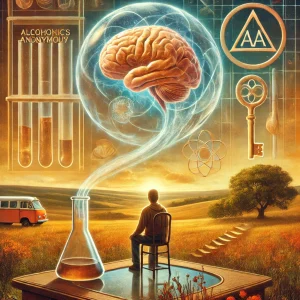
Jensen’s approach was deeply influenced by the work of Dr. Osmond and Dr. Hoffer, who were not only experimenting with LSD but also integrating it with principles from Alcoholics Anonymous (AA). They believed that LSD could catalyze the kind of deep spiritual and psychological insights that were often reported by those who successfully engaged with the 12-step program.
The LSD Trials: A Novel Approach to Alcoholism Treatment
Sven Jensen’s LSD trials were part of a broader effort in Saskatchewan to explore new ways to treat alcoholism. The trials typically involved administering high doses of LSD to patients in a controlled setting, with the aim of inducing a profound psychological experience that could facilitate breakthroughs in understanding and recovery.
One of the key aspects of Jensen’s trials was the integration of Alcoholics Anonymous teachings into the therapeutic process. The researchers, including Jensen, believed that the spiritual awakening described in AA’s 12-step program could be accelerated or even triggered by the psychedelic experience. They saw LSD as a tool that could help patients achieve the kind of transformative insight and emotional release that were central to AA’s concept of recovery.
Methodology and Patient Experience
In Jensen’s trials, patients—many of whom were chronic alcoholics who had not responded to conventional treatments—were given a carefully measured dose of LSD, typically in a hospital or clinical setting. The sessions were closely monitored by Jensen and his team, who provided support and guidance throughout the experience.
The preparation for these sessions often involved discussions about the patient’s life, their struggles with alcohol, and their hopes for recovery. The patients were encouraged to focus on these issues during the LSD session, with the goal of uncovering the psychological and emotional roots of their addiction.
During the LSD experience, patients frequently reported intense emotions, vivid memories, and profound spiritual experiences. Some described encountering a sense of unity with the universe, while others faced their deepest fears and traumas. Jensen’s role was to help the patients navigate these experiences, offering reassurance and helping them make sense of what they were going through.
After the session, the patients were encouraged to discuss their experiences in depth. Jensen and his colleagues would help them interpret the insights gained during the LSD session, often relating them back to the principles of AA. For instance, patients might recognize the need to surrender control (as emphasized in AA’s first step) or gain a new understanding of a higher power (step two). The sessions were seen as a catalyst for the kind of spiritual awakening that was a cornerstone of AA’s approach to recovery.
Integration with Alcoholics Anonymous
Jensen’s integration of AA teachings into the LSD trials was innovative for its time. He and his colleagues saw a natural alignment between the insights gained during an LSD session and the spiritual transformation sought in AA. The intense, often mystical experiences induced by LSD seemed to mirror the “spiritual awakening” that AA describes as essential to recovery.
In some cases, patients who had struggled to connect with AA’s spiritual language found that their LSD experience provided the clarity they needed. They could then more fully engage with the 12 steps, particularly the steps related to acknowledging a higher power, making amends, and helping others. The LSD sessions were sometimes seen as a way to “jump-start” the recovery process, giving patients a glimpse of the possibilities of a life free from alcohol.
Success Rates and Outcomes
The results of Sven Jensen’s LSD trials were remarkable, particularly given the chronic nature of the patients’ alcoholism. Approximately 50% of the participants stayed sober for up to 18 months of the study and reported significant improvements in their condition, with many experiencing a marked reduction in cravings and a greater ability to remain sober. Some of the most successful outcomes were observed in patients who fully engaged with both the LSD sessions and the principles of Alcoholics Anonymous.
Those who did not take LSD and only integrated with treatment and Alcoholics Anonymous? Approximately half of them dropped out of the study and Alcoholics Anonymous and only a little over 10% stayed sober during the study.
Jensen’s trials also provided valuable insights into the potential for psychedelic therapy to facilitate long-term recovery. Follow-up studies indicated that many of the participants maintained their sobriety for years after the treatment, a notable achievement considering the severe nature of their alcoholism. However, it is important to note that not all participants responded positively; some reported minimal or temporary benefits, and a small percentage experienced adverse effects, highlighting the need for careful screening and support during such treatments.
The Impact and Legacy of Jensen’s Work
Although Sven Jensen’s LSD trials did not receive the same level of attention as the work of his more famous colleagues, they contributed to a growing body of evidence supporting the therapeutic potential of psychedelics. His research helped to establish Saskatchewan as a leader in the field of psychedelic science during the 1950s and 1960s, a legacy that continues to influence the current resurgence in psychedelic research.
Jensen’s work also had a lasting impact on the patients who participated in his trials. Many reported profound changes in their relationship with alcohol, with some experiencing significant reductions in cravings and an increased ability to remain sober. The combination of LSD and AA principles appeared to offer a new path to recovery for those who had not found success with traditional methods alone.
Unfortunately, like much of the early research on psychedelics, Jensen’s work was cut short by the growing backlash against LSD in the late 1960s. As public and governmental attitudes toward psychedelics shifted, research funding dried up, and the use of LSD in psychiatric treatment was largely abandoned. Jensen’s contributions were largely forgotten, overshadowed by the more well-known figures in the field.
Reclaiming a Forgotten History
Today, as interest in the therapeutic use of psychedelics experiences a resurgence, it is important to remember the work of pioneers like Sven Jensen. His LSD trials in Saskatchewan represent a significant, albeit overlooked, chapter in the history of psychedelic research. By revisiting his work, we can gain a deeper understanding of the roots of modern psychedelic science and the potential of these substances to transform mental health treatment.
Sven Jensen’s story is a reminder of the innovative spirit that drove the early psychedelic researchers and the importance of continuing to explore new approaches to healing. As we move forward into a new era of psychedelic research, the lessons learned from Jensen’s trials in Saskatchewan can help guide the way, ensuring that the mistakes and successes of the past are not forgotten.