10 Different Models of Psychedelic Integration



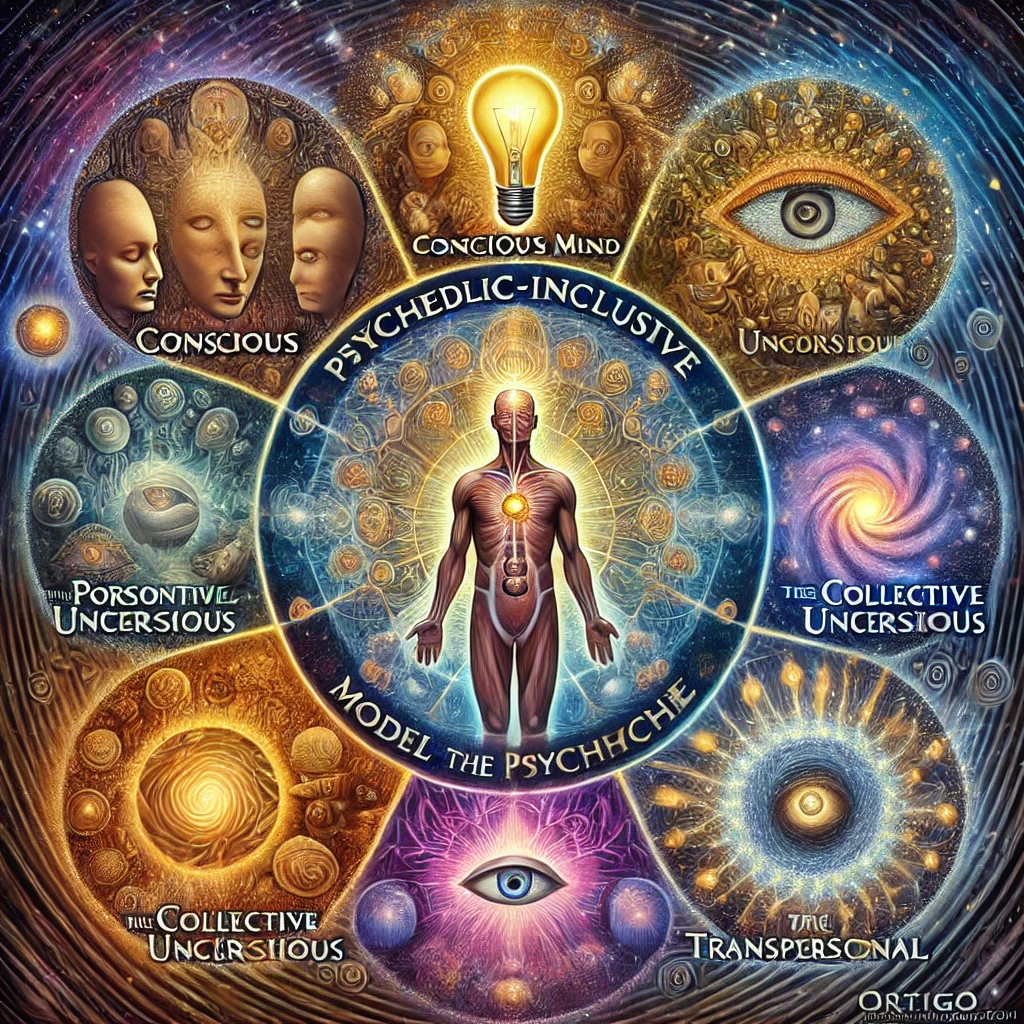


 In recent years, ayahuasca, a powerful plant-based brew traditionally used in Indigenous Amazonian ceremonies, has gained worldwide attention for its profound ability to facilitate healing, transformation, and spiritual growth. Recognizing the deep psycho-spiritual nature of ayahuasca experiences, the Ayahuasca Psycho-Spiritual Integration Model by Cohen (2017) offers a comprehensive framework for individuals to integrate the insights gained from these journeys into their everyday lives.
This model, influenced by Jungian psychology and traditional ayahuasca practices, emphasizes the importance of working with both the conscious and unconscious mind to fully process and apply the transformative experiences that often arise from ayahuasca ceremonies. It presents a structured approach to the integration process, which allows individuals to navigate the complexities of their experience in a meaningful and lasting way.
The Core of the Ayahuasca Psycho-Spiritual Integration Model
Ayahuasca has long been used as a tool for psychological healing and spiritual awakening. Many who undergo an ayahuasca ceremony report intense emotional and mental breakthroughs, encounters with archetypal symbols, and the resolution of long-held traumas. However, these experiences can often be overwhelming, leaving individuals unsure of how to process the revelations they’ve encountered.
Cohen’s Ayahuasca Psycho-Spiritual Integration Model provides a roadmap for helping individuals:
- Prepare for their ayahuasca experience.
- Process and make sense of the emotions, memories, and visions that arise.
- Incorporate these insights into daily life for lasting transformation.
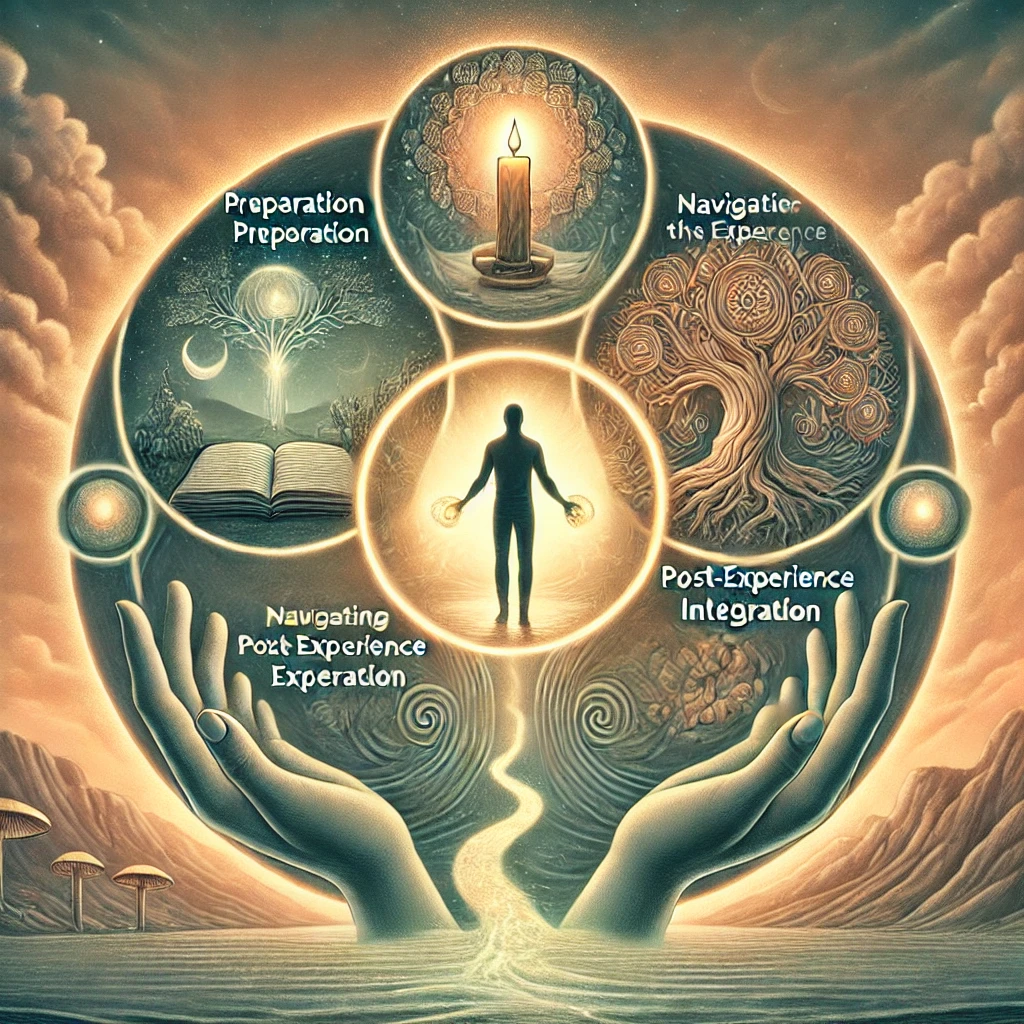
This model operates in five phases:
- Pre-Ceremony Experiences
- The Ceremony Itself
- Post-Ceremony Integration
- Ongoing Practices
- Ayahuasca’s Role in the Transformative Process
Each phase helps guide individuals through the unique psychological and spiritual aspects of their journey, enabling them to fully engage with the potential for growth and healing.
1. Pre-Ceremony Experiences: Setting the Stage for Transformation
The first phase of the model focuses on preparation. Preparing for an ayahuasca ceremony is a critical part of ensuring a successful and transformative experience. This phase emphasizes the importance of setting intentions and creating a safe and supportive environment for the journey ahead.
Key components of this phase include:
- Mental and emotional preparation: Reflecting on personal goals, setting intentions for healing, and identifying areas in life that need resolution.
- Physical preparation: Ayahuasca diets, which traditionally involve abstaining from certain foods and substances, help individuals physically and energetically prepare for the ceremony.
- Psychological preparation: Engaging in reflection, meditation, or therapy to explore potential emotional or psychological issues that may arise during the ceremony.
Pre-ceremony preparation also helps individuals enter the experience with an open heart and mind, ready to receive the insights ayahuasca has to offer.
2. The Ceremony Itself: Navigating the Depths
The actual ayahuasca ceremony is a profound spiritual and emotional journey. The ayahuasca brew typically induces altered states of consciousness, often leading individuals through intense visions, emotional releases, and psychological insights. These experiences can range from deeply spiritual and mystical to challenging and cathartic.
During the ceremony, individuals may encounter:
- Archetypal symbols and visions: Ayahuasca often brings individuals face-to-face with universal symbols, such as snakes, jaguars, or deities, representing deep psychological and spiritual truths.
- Personal shadow work: Repressed emotions, unresolved trauma, and unexamined aspects of the self may surface, offering an opportunity for profound healing.
- Mystical experiences: Many individuals report a sense of oneness with the universe, connection to the divine, or profound spiritual realizations.
In this phase, Cohen emphasizes the need for surrender and trust. The ceremony is not something to be controlled or forced; it is a journey that individuals must allow to unfold, accepting whatever emotions or visions arise without judgment or resistance.
3. Post-Ceremony Integration: Making Meaning of the Experience
After the ceremony, individuals enter the integration phase, where the real work begins. The intensity of the ayahuasca experience often leaves participants with a wealth of material to process—emotions, memories, visions, and insights that may not immediately make sense.
The integration phase in Cohen’s model involves:
- Reflection: Individuals are encouraged to reflect on their experience through journaling, meditation, or artwork, giving them a chance to revisit and process the themes of the ceremony.
- Therapeutic support: Engaging with a therapist or guide who is familiar with ayahuasca integration can provide a safe space to explore emotions, make sense of visions, and work through any unresolved issues that arose.
- Psycho-spiritual practices: These might include yoga, breathwork, or mindfulness practices that help the individual stay grounded while integrating the transformative energies of the experience.
In this phase, Cohen highlights the importance of patience and self-compassion. Integration is an ongoing process, and insights may continue to emerge long after the ceremony has ended.
4. Ongoing Practices: Continuing the Work
The fourth phase of the Ayahuasca Psycho-Spiritual Integration Model involves establishing ongoing practices that support continued growth and healing. Ayahuasca often opens the door to deep psychological and spiritual work, but it is the responsibility of the individual to continue nurturing the insights gained.
Ongoing practices may include:
- Spiritual practices: Continuing to develop a connection to one’s spiritual path through meditation, prayer, or rituals that honor the lessons of the ayahuasca experience.
- Community support: Connecting with integration circles, support groups, or others who have experienced ayahuasca can provide a sense of belonging and shared understanding.
- Therapeutic engagement: Ongoing therapy or counseling can help individuals continue processing the emotional and psychological content that surfaced during the ceremony.
These practices help ensure that the changes sparked by ayahuasca are integrated into everyday life, leading to sustained personal growth.
5. Ayahuasca’s Role in the Transformative Process: A Lifelong Journey
Cohen’s model also explores the idea that ayahuasca can play a role in a person’s lifelong journey of transformation. Many individuals return to ayahuasca ceremonies over time, deepening their understanding of themselves and their connection to the greater whole.
Ayahuasca is not seen as a “one-time” solution but as a recurring tool for personal and spiritual growth. Each ceremony may reveal new layers of healing and insight, allowing individuals to continue peeling back the layers of their psyche and spiritual essence.
Why the Ayahuasca Psycho-Spiritual Integration Model is Important
The Ayahuasca Psycho-Spiritual Integration Model is important because it provides a structured, thoughtful approach to navigating the intense and often overwhelming experiences of ayahuasca ceremonies. By recognizing the importance of preparation, ceremony, integration, and ongoing practice, this model ensures that individuals can fully embrace the transformative potential of ayahuasca.
The model also bridges the gap between traditional Indigenous wisdom and modern psychological practices, acknowledging that ayahuasca’s psycho-spiritual healing power requires careful and ongoing integration into everyday life.
The Ayahuasca Psycho-Spiritual Integration Model by Cohen offers a valuable framework for understanding how ayahuasca can facilitate profound personal and spiritual transformation. By guiding individuals through preparation, ceremony, integration, and ongoing practices, this model ensures that the insights and healing from ayahuasca are not only experienced but also integrated into daily life for lasting change. In a world where ayahuasca’s use is becoming more widespread, models like this are crucial for supporting individuals in navigating the complexities of the journey with care, respect, and intention.