10 Different Models of Psychedelic Integration



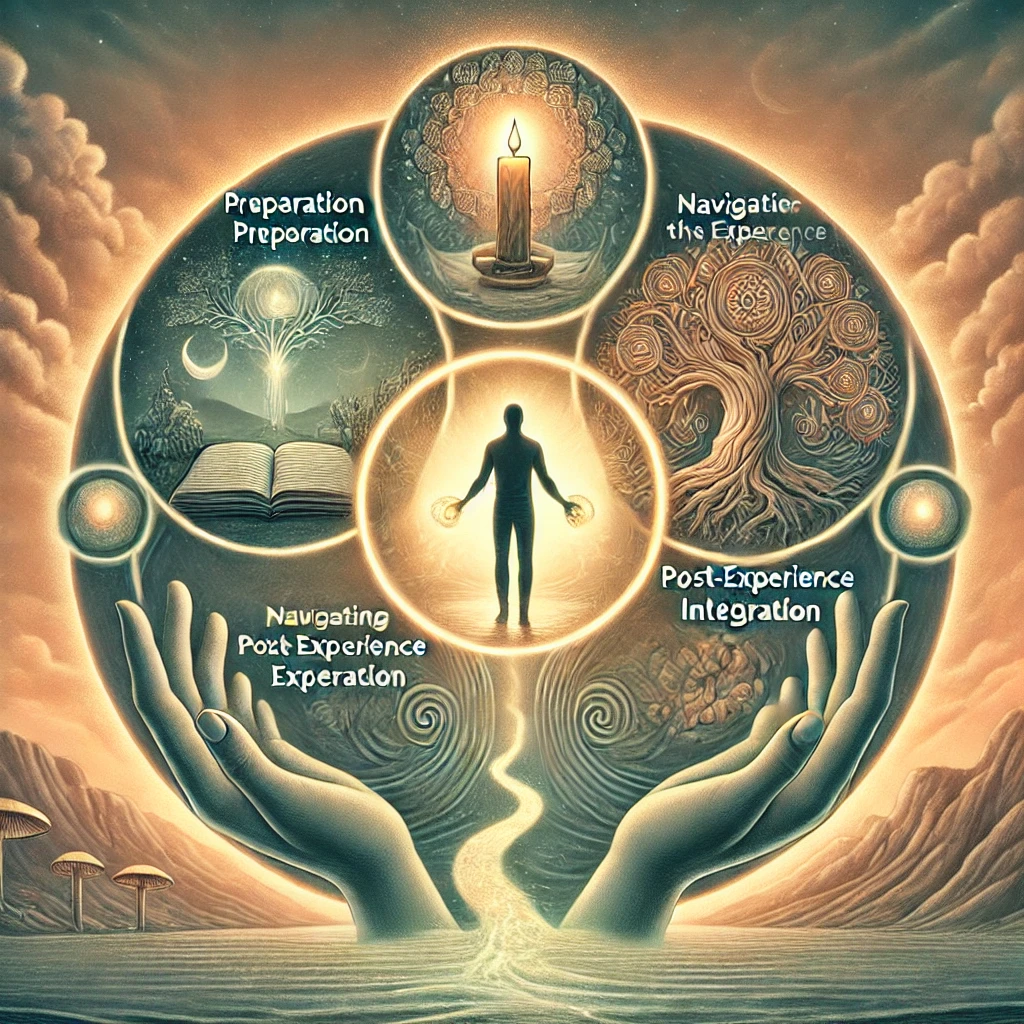



 As the resurgence of interest in psychedelic therapy continues, the importance of integrating these profound experiences into daily life has become increasingly recognized. The SAFETY Framework, developed by Travis Westrum and Alexandra Dufrechou in 2019, offers a comprehensive model for psychedelic integration, emphasizing a compassionate and personalized approach.
This framework is designed to support individuals in processing and assimilating the insights gained from psychedelic experiences, ensuring that the transformative potential of these substances is realized in a safe and meaningful way.
Understanding the SAFETY Framework
The SAFETY acronym stands for:
- Security
- Accessible
- Fluidity
- Empowering
- Transformational
- Yours
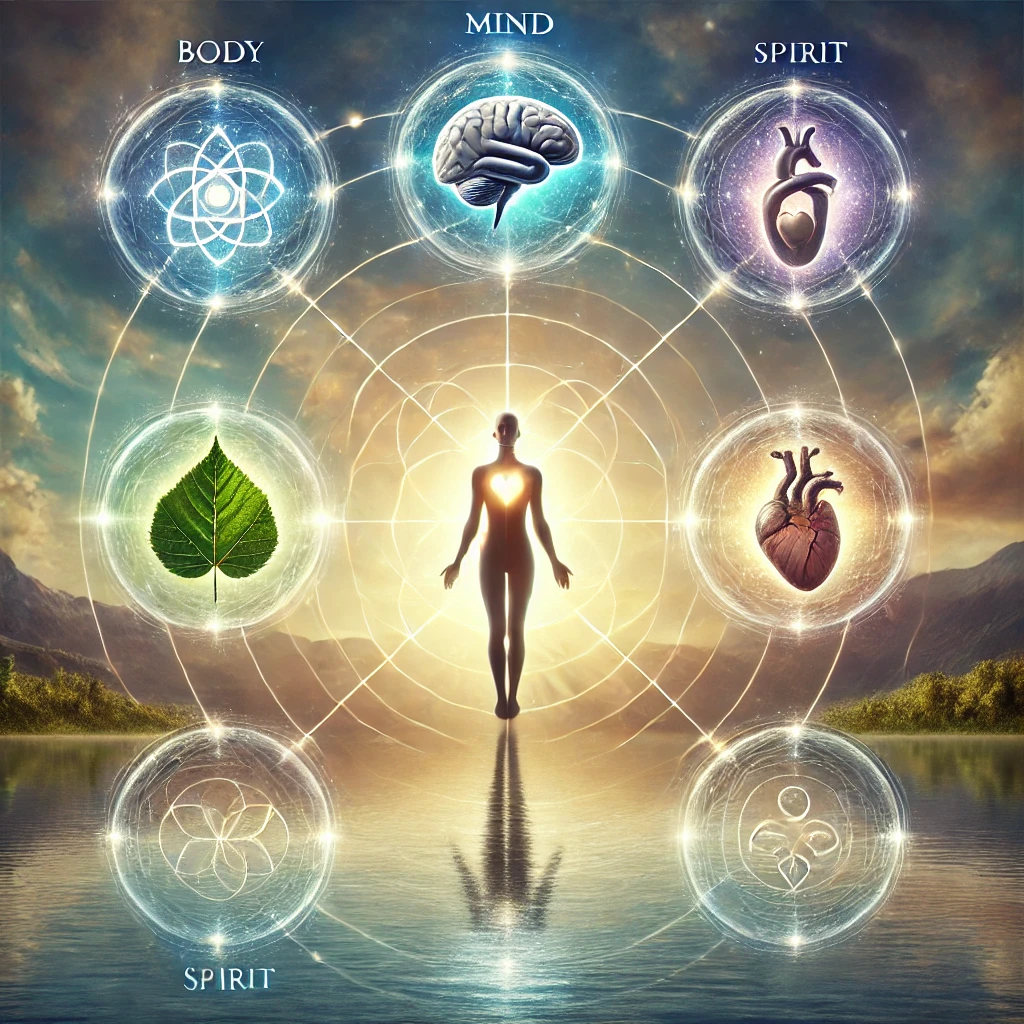
Each component represents a key principle in the integration process, collectively forming a holistic approach that addresses the psychological, emotional, spiritual, and practical aspects of integrating psychedelic experiences.
1. Security: Establishing a Safe Environment
The first principle, Security, emphasizes the importance of creating a safe and supportive environment for integration. This involves:
- Emotional Safety: Providing a non-judgmental space where individuals feel comfortable expressing their thoughts and emotions.
- Physical Safety: Ensuring that the physical surroundings are conducive to relaxation and introspection.
- Relational Safety: Building trust between the individual and the integration facilitator or therapist.
Security is foundational, as it allows individuals to explore their experiences without fear, enabling deeper processing and understanding.
2. Accessible: Making Integration Attainable
The Accessible component focuses on making integration practices attainable and relevant to the individual’s needs and circumstances. This involves:
- Personalization: Tailoring integration strategies to fit the individual’s unique experience, culture, and belief system.
- Simplicity: Using language and concepts that are easily understood, avoiding unnecessary complexity.
- Resource Availability: Providing access to tools, support networks, and information that facilitate the integration process.
By ensuring that integration is accessible, individuals are more likely to engage fully and benefit from the practices.
3. Fluidity: Embracing Change and Adaptability
Fluidity highlights the dynamic nature of the integration process. It acknowledges that:
- Experiences Evolve: Insights and emotions from psychedelic experiences may change over time.
- Flexible Approaches: Integration methods should adapt to the individual’s shifting needs and perspectives.
- Openness to Growth: Encouraging a mindset that welcomes change and transformation.
Embracing fluidity allows the integration process to remain responsive and effective as the individual progresses.
4. Empowering: Fostering Personal Agency
The Empowering principle is about fostering a sense of personal agency and self-efficacy. This involves:
- Encouraging Autonomy: Supporting individuals in taking ownership of their integration journey.
- Building Confidence: Helping individuals recognize their strengths and abilities to navigate challenges.
- Providing Support: Offering guidance without imposing solutions, allowing individuals to find their own answers.
An empowering approach ensures that individuals feel capable and motivated to apply their insights meaningfully.
5. Transformational: Facilitating Deep Change
Transformational emphasizes the potential for deep personal growth and change through integration. Key aspects include:
- Depth of Insight: Encouraging exploration of profound realizations and their implications.
- Holistic Development: Addressing emotional, mental, physical, and spiritual dimensions of well-being.
- Sustained Change: Focusing on long-term transformation rather than temporary shifts.
By aiming for transformation, the integration process can lead to significant and lasting improvements in quality of life.
6. Yours: Personalizing the Journey
The final principle, Yours, reinforces that the integration journey is a personal and individualized process. This principle entails:
- Authenticity: Encouraging individuals to stay true to themselves and their values.
- Personal Meaning: Helping individuals find personal significance in their experiences.
- Self-Directed Path: Supporting individuals in charting their own course, respecting their unique journey.
By emphasizing that the integration process is “yours,” individuals are empowered to make choices that resonate deeply with who they are.
The Importance of the SAFETY Framework
The SAFETY Framework is significant for several reasons:
- Holistic Approach: It addresses multiple facets of the integration process, ensuring a well-rounded support system.
- Person-Centered: The framework is flexible and adaptable, catering to individual needs and preferences.
- Emphasis on Empowerment: By fostering personal agency, it encourages individuals to take active roles in their healing and growth.
- Applicability: The principles can be applied across various contexts, whether in professional therapy settings or self-guided integration.
Implementing the SAFETY Framework
For those looking to apply the SAFETY Framework in their integration process, consider the following steps:
- Create a Secure Environment: Find or establish spaces—physical and relational—where you feel safe to explore your experiences.
- Ensure Accessibility: Seek resources and support that are understandable and relevant to you. Don’t hesitate to ask for explanations or adaptations as needed.
- Embrace Fluidity: Allow your integration process to evolve. Be open to changing your approaches as you grow and learn.
- Focus on Empowerment: Take ownership of your journey. Recognize your strengths and actively participate in your healing process.
- Aim for Transformation: Reflect deeply on your experiences and consider how they can lead to meaningful change in your life.
- Personalize Your Path: Make choices that align with your values and beliefs. Remember that your integration journey is uniquely yours.
The SAFETY Framework by Westrum and Dufrechou offers a compassionate and comprehensive approach to psychedelic integration. By focusing on security, accessibility, fluidity, empowerment, transformation, and personalization, this model provides individuals with the tools and principles necessary to navigate their psychedelic experiences effectively.
As the therapeutic use of psychedelics continues to expand, frameworks like SAFETY are essential for ensuring that individuals can integrate their experiences in ways that lead to lasting healing and personal growth. By adopting this model, individuals and practitioners alike can foster environments that support profound transformation and well-being.