
The Heros Journey into Psychedelics from Traditional Recovery
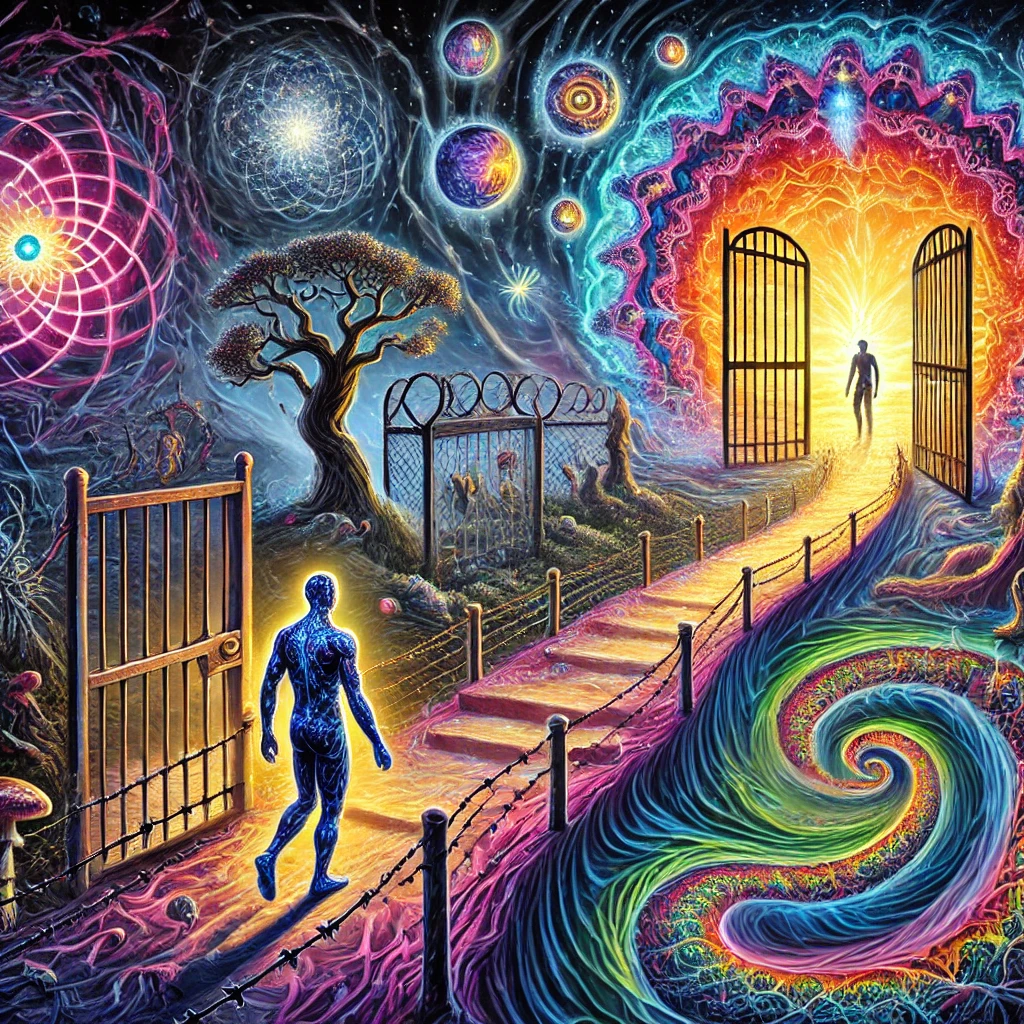


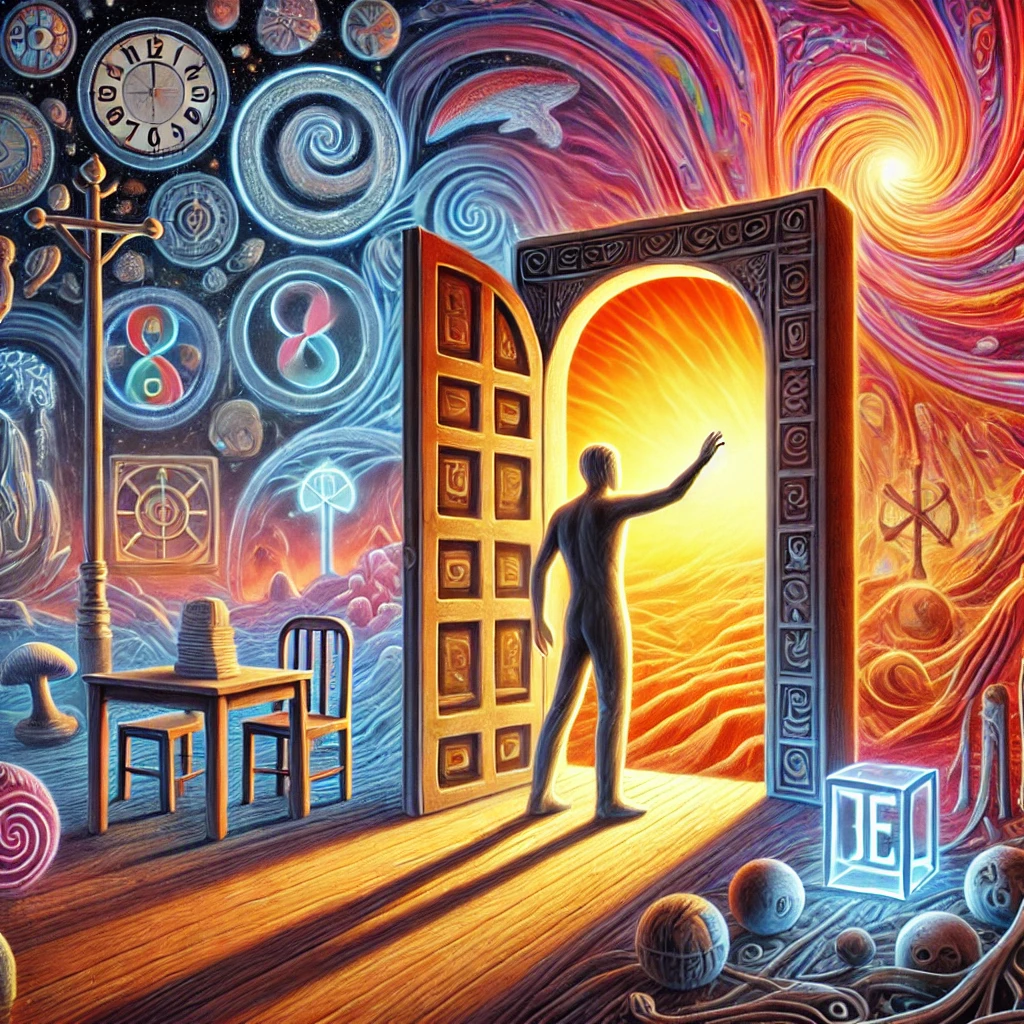









 In the Hero’s Journey, The Ordeal is the stage where the hero faces their greatest test—a life-altering challenge that forces them to confront their deepest fears and emerge transformed. This stage is often the most intense, representing the climax of the hero’s inner and outer struggle. For individuals in traditional 12-step recovery programs who are exploring psychedelics as a tool for healing, The Ordeal is the point in their journey where they come face-to-face with the core of their emotional and psychological struggles.
The Ordeal is not only about facing the pain, fear, or trauma that may have contributed to their addiction, but also about experiencing a profound internal battle. This stage is the turning point in their journey—a moment of deep challenge and vulnerability, where the potential for transformation is at its peak. For those in recovery, this often occurs during the most intense moments of a psychedelic experience, where the boundaries of the self dissolve and long-repressed emotions surface.
This article explores The Ordeal as it relates to individuals in recovery who are undergoing psychedelic therapy. We will discuss the nature of this stage, the types of challenges it presents, and how it serves as a crucible for personal transformation.
The Nature of The Ordeal: A Deep Emotional Challenge
In the context of psychedelic exploration, The Ordeal often occurs at the height of the experience, when the individual is fully immersed in the psychedelic journey. Psychedelics have the ability to break down the barriers of the conscious mind, allowing unresolved trauma, difficult emotions, and repressed memories to come to the surface. This process can be both frightening and disorienting, as the individual may feel overwhelmed by the intensity of the emotions they are encountering.
For someone in recovery, the Ordeal often involves confronting the root causes of their addiction. This could include facing childhood trauma, feelings of shame or guilt, unresolved grief, or deep-seated fears about self-worth and identity. The psychedelic experience magnifies these emotions, forcing the individual to sit with them in ways they may have avoided for years or even decades.
During the Ordeal, the individual might experience:
- Ego dissolution: A sense of losing one’s identity or self-concept, often experienced as a temporary “death” of the ego, which can be both terrifying and liberating.
- Intense emotional release: Unprocessed emotions such as grief, anger, or fear can surface with overwhelming force, often leading to cathartic breakthroughs.
- Confrontation with trauma: For many, the Ordeal involves reliving past traumas in a vivid and emotionally charged way, but in doing so, they have the opportunity to process and release the pain associated with those experiences.
The Ordeal is a profound psychological and emotional challenge that tests the individual’s capacity for surrender, acceptance, and resilience. It is not about avoiding pain or fear but about moving through it and emerging with a deeper understanding of oneself.
Surrendering to the Ordeal: The Power of Letting Go
One of the key aspects of The Ordeal is the need for surrender. In many ways, the only way to navigate the Ordeal successfully is by letting go of the need to control the experience. For individuals in recovery, this can be particularly difficult, as addiction is often driven by a desire to avoid pain or control emotional discomfort. Psychedelics, however, require the individual to do the opposite—to let go of control and allow the experience to unfold as it needs to.
Surrendering to the Ordeal means embracing whatever arises, no matter how painful or difficult it may be. This process can be frightening, as the individual may feel as though they are losing control or being overwhelmed by emotions. However, it is through this surrender that healing occurs. By fully experiencing the emotions and sensations that arise during the Ordeal, the individual allows those emotions to be processed and released.
This surrender is not passive; it is an active choice to trust the process, even when it feels uncomfortable or frightening. For many in recovery, this stage represents a profound shift in perspective—one where they learn to stop resisting their emotions and instead embrace them as part of their healing journey.
The Role of Guides and Allies During the Ordeal
While The Ordeal is an intensely personal experience, it is important to note that the individual is not alone. In the Hero’s Journey, the hero often has guides or allies who offer support and guidance during the Ordeal. In the context of psychedelic therapy, these guides may take the form of therapists, facilitators, or trusted friends who help the individual navigate the experience.
The role of the guide during the Ordeal is not to rescue the individual from the intensity of the experience, but to provide a safe and supportive space where the individual feels held and supported as they move through their emotional challenges. Psychedelic therapists or facilitators often provide grounding techniques, breathing exercises, and emotional support to help the individual stay present during the Ordeal.
Additionally, the guide helps the individual integrate the experience once the Ordeal has passed. They assist in making sense of the emotions and insights that arose during the journey, helping the individual to understand the significance of what they encountered and how it relates to their recovery process.
The Transformation: Emerging from the Ordeal
Once the individual has passed through the Ordeal, they often experience a profound sense of relief, clarity, and transformation. The emotional intensity of the Ordeal can give way to deep insights and new perspectives on themselves and their journey. In the Hero’s Journey, this moment represents the hero’s death and rebirth—the shedding of old patterns and beliefs, and the emergence of a new self.
For individuals in recovery, the transformation that occurs after the Ordeal can be life-changing. They may gain new insights into the root causes of their addiction, allowing them to understand and heal the underlying emotional wounds that contributed to their struggles with substance abuse. They may also experience a deeper connection to themselves and a renewed sense of purpose and direction in their recovery journey.
The insights gained during the Ordeal often lead to profound changes in the individual’s approach to recovery. They may find that their relationship to sobriety shifts, becoming more about healing and self-compassion than simply avoiding substances. The Ordeal allows them to reclaim parts of themselves that were previously lost or suppressed, helping them to move forward in their recovery with greater self-awareness and emotional freedom.
The Dark Night of the Soul: A Necessary Part of Healing
The Ordeal is often referred to as a “dark night of the soul”—a period of intense inner struggle and emotional darkness. However, it is important to recognize that this darkness is a necessary part of the healing process. Just as the hero in the myth must descend into the underworld to retrieve the treasure, individuals in recovery must face their darkest emotions in order to heal.
The dark night of the soul is not a sign of failure or weakness; it is a sign that the individual is engaging fully with their healing journey. By confronting the core of their emotional struggles, they create the opportunity for deep transformation and growth.
Integration: Making Sense of the Ordeal
After passing through The Ordeal, the process of integration becomes essential. The insights and emotions that arise during the Ordeal need to be processed and integrated into the individual’s everyday life. Without integration, the transformative potential of the Ordeal can be lost, leaving the individual feeling disoriented or disconnected from their experience.
Integration involves reflecting on the Ordeal, discussing it with trusted guides or therapists, and finding ways to apply the lessons learned to daily life. For individuals in recovery, this might mean developing new coping strategies, deepening their spiritual practices, or making changes to their recovery routine that align with the insights gained during the Ordeal.
It is also important for individuals to give themselves time and space to recover from the intensity of the Ordeal. The emotional and psychological challenges of this stage can be exhausting, and taking time for self-care and reflection is crucial for ensuring that the healing process continues.
The Ordeal as a Crucible for Transformation
The Ordeal is one of the most challenging and transformative stages of the Hero’s Journey, and for individuals in recovery exploring psychedelics, it represents the moment when they confront the deepest aspects of their emotional and psychological struggles. This stage is characterized by intense emotional release, ego dissolution, and the confrontation of trauma, but it is also the stage where the greatest transformation occurs.
By surrendering to the Ordeal, individuals in recovery have the opportunity to process and heal the core wounds that may have contributed to their addiction. With the support of guides and allies, they can move through the Ordeal with greater resilience and emerge transformed—more self-aware, emotionally free, and ready to continue their journey of recovery with a renewed sense of purpose and insight.
The Ordeal is not the end of the journey, but it is a turning point. It is the crucible in which the old self is burned away and the new self is born. For those in recovery, passing through the Ordeal marks a profound shift in their relationship to themselves, their recovery, and their healing journey.