The Heros Journey into Psychedelics from Traditional Recovery
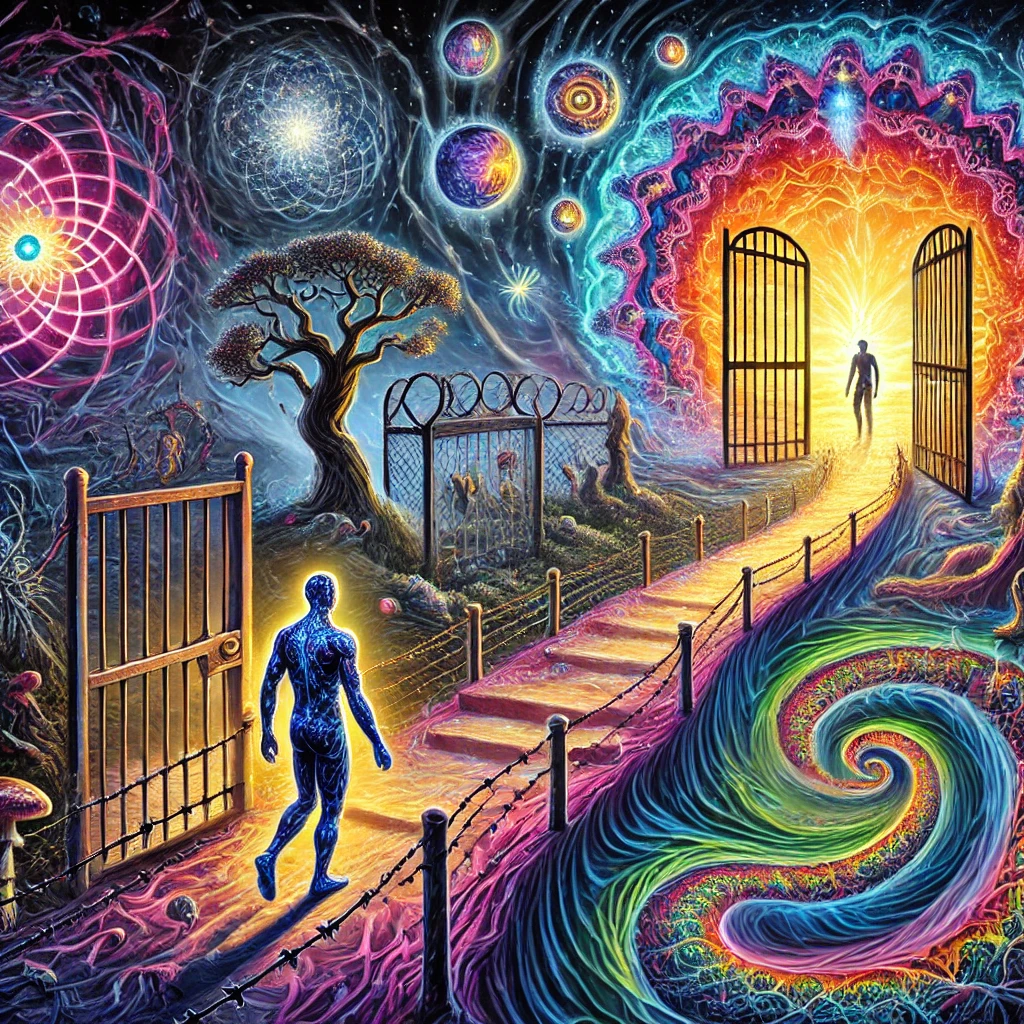





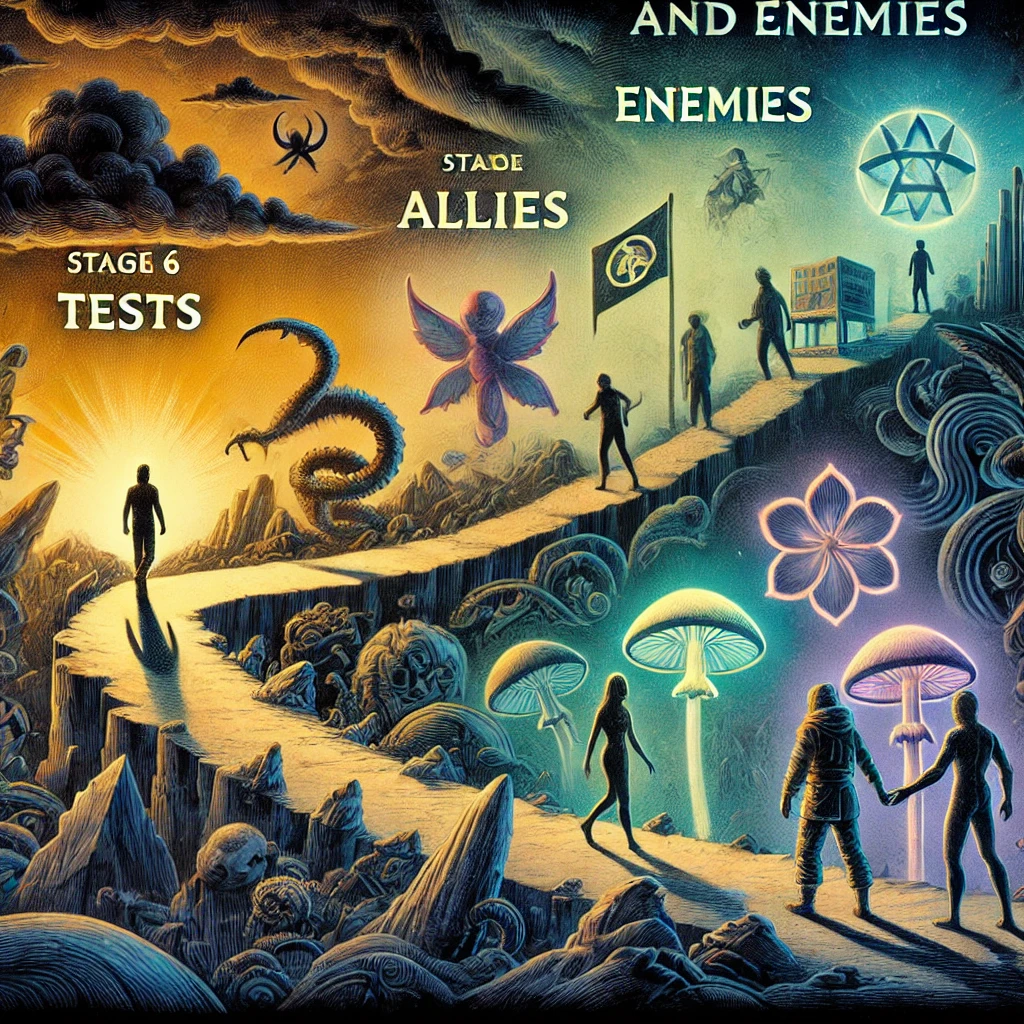






 Once the hero crosses the threshold into the unknown, they encounter tests, allies, and adversaries along the way. For someone in a traditional 12-step recovery program who is exploring the integration of psychedelics into their healing journey, this stage can be particularly challenging. While some might find support and understanding, others may face stigma and antagonistic views from within the recovery community itself.
The Stigma from Traditional Recovery Programs
In many traditional 12-step programs, the philosophy is deeply rooted in total abstinence from all mind-altering substances. This core principle has helped millions of individuals maintain sobriety, with the belief that introducing any psychoactive substance, even in a therapeutic setting, could risk relapse or undermine the foundation of recovery. This creates a significant cultural divide between the emerging world of psychedelic-assisted healing and the long-standing ethos of 12-step recovery.
Many people in recovery view any engagement with substances—whether therapeutic or recreational—as a violation of their commitment to sobriety. As a result, the mere discussion of psychedelics can be met with discomfort, suspicion, or outright disapproval. For those seeking to explore psychedelics, this can feel like an act of rebellion or transgression against the recovery framework that has provided them stability. They may fear being judged, ostracized, or seen as “falling off the wagon.”
Antagonistic Views from Within the 12-Step Community
In some cases, the response to the idea of integrating psychedelics into recovery is more than just discomfort; it can provoke strong antagonistic reactions. Certain members of traditional recovery communities may view psychedelics as inherently dangerous or incompatible with the values of the program. Psychedelics may be perceived as opening the door to potential addiction or as undermining the spiritual reliance on a Higher Power that 12-step programs promote.
For individuals navigating this terrain, the antagonism can be isolating. They may feel like they’re violating an unwritten code or betraying the very system that helped them find stability in sobriety. Even well-meaning peers in the recovery community may express concerns or deliver stern warnings, reminding the individual of the “slippery slope” that substances can represent for those with a history of addiction. These responses, while often rooted in genuine concern, can add to the complexity and emotional burden of the individual’s decision to explore psychedelics.
Reconciling the Conflicting Perspectives
The pressure to conform to the traditional abstinence model while also exploring new avenues of healing through psychedelics creates a profound inner conflict. Many people in recovery feel a strong loyalty to their 12-step community, which has provided essential support, connection, and a sense of belonging. At the same time, the call to explore psychedelics often stems from a deep, intuitive sense that there is more healing to be done—healing that might not be fully accessible through traditional methods alone.
Navigating this conflict requires an enormous amount of courage and discernment. For some, this may mean seeking out alternative recovery spaces, such as Psychedelics in Recovery (PIR), which offer a more inclusive environment where both abstinence-based recovery and the therapeutic use of psychedelics can coexist. In PIR and similar communities, individuals can find allies who understand the complexity of integrating psychedelics into recovery and who honor both paths—acknowledging that healing is not a one-size-fits-all process.
Tests Along the Journey
These challenges represent the “tests” of this stage of the Hero’s Journey. The individual in recovery must learn to hold the tension between their allegiance to the principles of their 12-step program and their desire to explore psychedelics as a tool for deeper healing. This requires not only navigating external stigma but also coming to terms with their own fears, doubts, and internalized beliefs about what is “right” or “wrong” in recovery.
For some, this may mean redefining what sobriety means to them. They may come to view psychedelics as tools for healing rather than as substances of abuse, differentiating between intentional, therapeutic use and recreational or addictive use. Others may decide that they want to maintain their traditional recovery identity but explore psychedelics in private or in alternative settings.
Regardless of the path they choose, this stage of the journey requires resilience and an openness to complexity. They must confront societal and cultural stigmas, while also maintaining faith in their own healing process. It is here that allies become essential—whether they are found in understanding sponsors, open-minded peers, or new recovery communities that offer the space for both abstinence and psychedelic exploration.
Finding Allies Amidst the Stigma
Despite the challenges, there are powerful allies available to those on this journey. Increasingly, communities like PIR are forming to provide safe spaces where individuals can share their experiences with psychedelics in a recovery context. These groups offer validation and support for those walking the line between traditional recovery and psychedelic healing, acknowledging that both paths can contribute to lasting recovery. Allies might also come in the form of psychedelic therapists, mentors, or even trusted friends within the 12-step community who, while abstaining from psychedelics themselves, respect the individual’s right to explore new methods of healing.
Ultimately, this stage of the journey is about developing discernment, balancing conflicting perspectives, and holding space for complexity. The stigma and antagonistic views that may arise are part of the tests the individual must face on their path to deeper healing, forcing them to clarify their intentions and values as they move forward. By navigating these tests with integrity, the individual can ultimately emerge stronger, more self-aware, and more fully aligned with their own path of recovery and growth.